

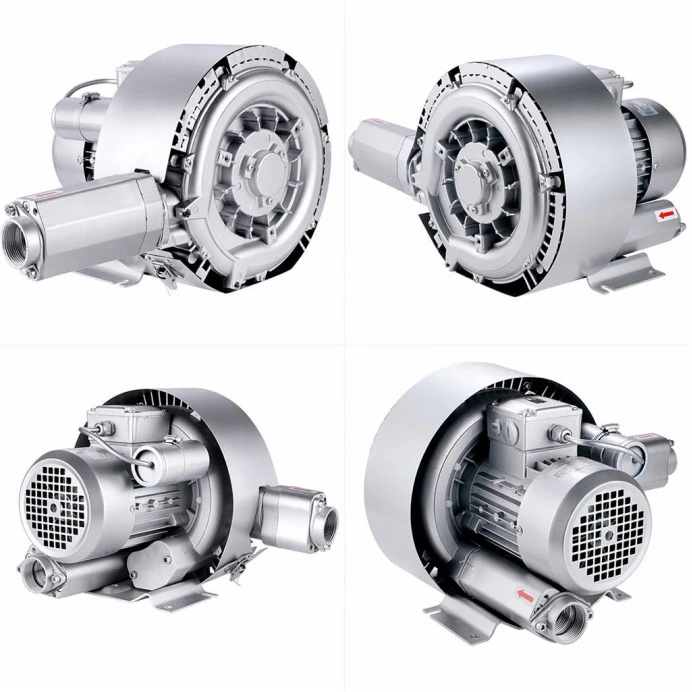
The density of a vortex blower is mainly divided into two categories: the density of the equipment material and the density of the air medium being transported. These are crucial parameters for equipment selection, structural load-bearing capacity, and performance verification. Standard vortex blowers on the market use high-strength die-cast aluminum alloy for the entire casing and impeller. Aluminum alloy has a typical density of approximately 2.7 g/cm³, resulting in low density and high structural strength, allowing for a lightweight design that effectively reduces installation load and suits various installation scenarios such as ceiling mounting, wall mounting, and equipment mounting. Compared to blowers made of carbon steel or cast iron, aluminum alloy offers significant density advantages, reducing vibration and installation stress caused by the blower's own weight. It also possesses excellent rust resistance and weather resistance, making it suitable for most common industrial operating conditions.
The air density of the transported medium directly affects the blower's air pressure and negative pressure output performance, making it a core parameter for adapting to different operating conditions. Under standard ambient temperature and pressure conditions, the density of dry air is approximately 1.205 kg/m³. At this temperature, the air pressure and airflow parameters marked on the blower's nameplate represent the standard rated output values. Air density changes with ambient temperature, altitude, and humidity. Increased temperature and altitude lead to decreased air density, resulting in a decrease in the actual output air pressure and negative pressure of the fan. Conversely, low temperature and high pressure environments increase air density, slightly increasing the fan's pressure output. Therefore, in special operating conditions such as high-altitude and high-temperature workshops, the selection parameters must be adjusted based on the actual air density to avoid insufficient equipment output.
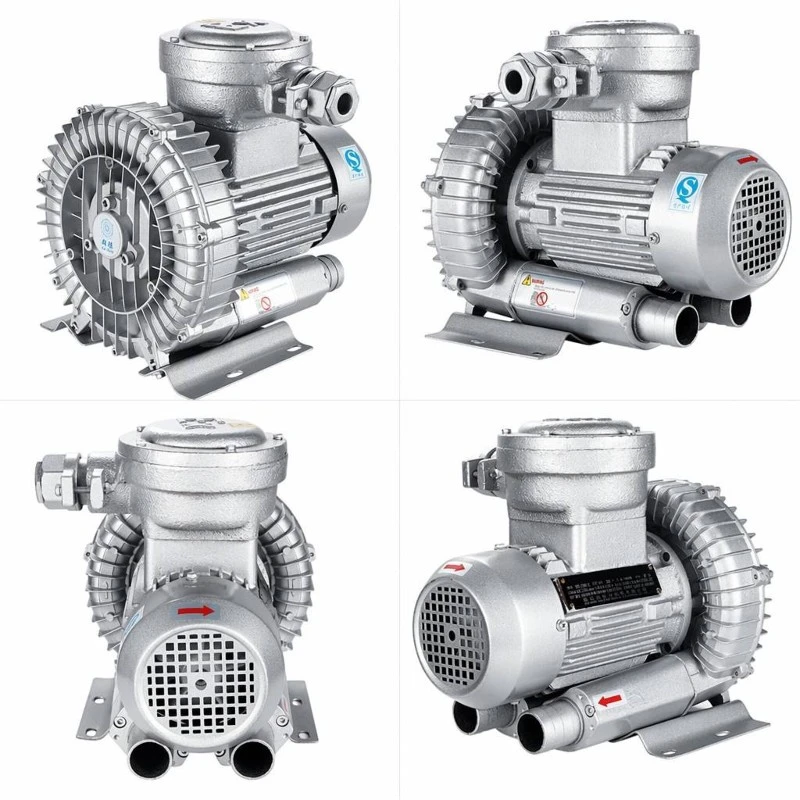
Proper matching of density parameters is crucial for ensuring stable fan operation and avoiding malfunctions. Vortex fans are only suitable for conventional low-density media such as air and inert gases. They are strictly prohibited from conveying high-density dust, viscous mist, or impurity gases. High-density media will increase the fan load, causing impeller fouling, a surge in resistance, and problems such as motor overload, excessive temperature rise, and pressure drop. In humid or high-humidity conditions, the density of a mixture of water mist and gas is higher than that of dry air; therefore, an appropriate power margin should be reserved, and dehumidification filters should be installed. In daily selection and maintenance, combining material density to confirm installation load-bearing capacity and combining ambient air density to calibrate operating performance can effectively ensure stable fan output, safe operation, and extend equipment life.